

 See My Latest Article on HelloNation
Why Do Basements in Kalamazoo, MI Need Waterproofing?
Basements in Kalamazoo often face moisture issues because of the region’s climate and soil conditions. The area experiences regular rainfall, snow melt, and clay-heavy soils that retain water, making water intrusion a common concern. Waterproofing isn’t just about keeping a basement dry—it also helps preserve the foundation, prevent mold growth, and maintain indoor air quality for local households.
What Are the Main Basement Waterproofing Methods?
There are three major categories residents encounter: interior, exterior, and drainage-based waterproofing. Each system has unique benefits and limitations depending on the age of the house, construction style, and typical water problems seen in Kalamazoo homes.
Interior Waterproofing Systems: What Do They Address?
Interior systems manage water that has already entered or is likely to enter the basement. These are practical for handling minor seepage and condensation.
- Concrete Sealants and Waterproof Paints: These coatings aim to create a water-resistant surface on basement walls or floors. While they can help with minor dampness and surface water, they will not stop significant leaks caused by foundation cracks or groundwater pressure.
- Crack Injections: Epoxy or polyurethane is injected directly into visible wall cracks. This method works when there are small, isolated cracks but is not a full solution for widespread water intrusion.
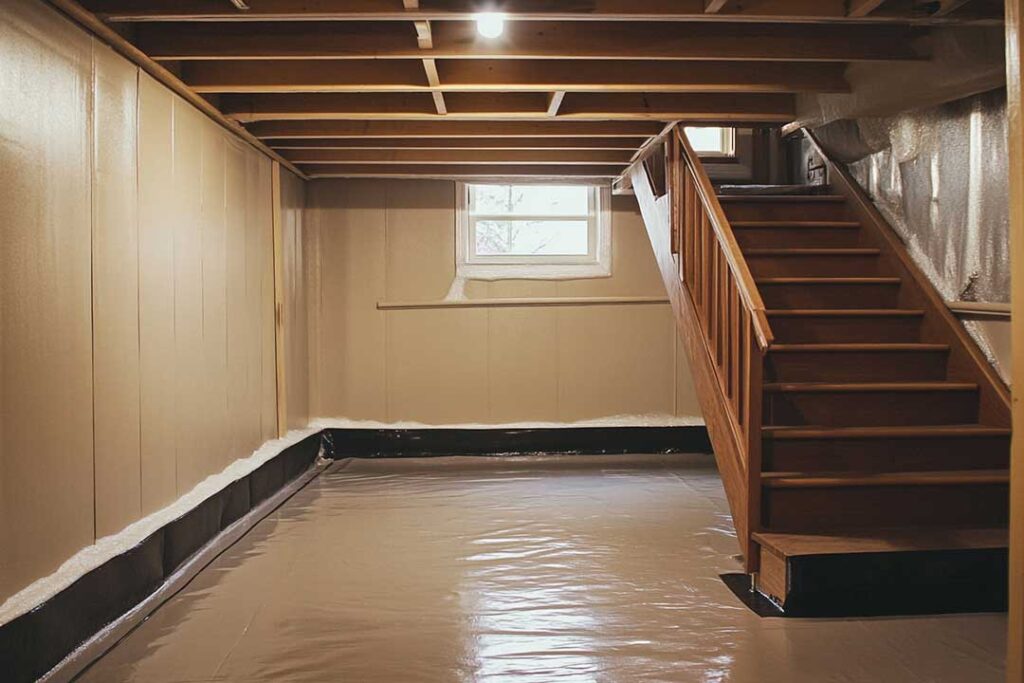
- Vapor Barriers: Heavy plastic sheeting applied to interior walls can keep moisture from evaporating into the basement. Area households frequently use these to deal with dampness that leads to musty odors rather than standing water.
Interior options are often cost-effective and easy to install, but they do not address the underlying cause of water intrusion—only the symptoms inside.
Do Exterior Waterproofing Systems Offer Better Protection?
Exterior waterproofing targets the source of water before it ever touches basement walls. This approach is considered more permanent but tends to be more invasive and expensive.
- Excavation and Exterior Membranes: The process involves digging down to the foundation, cleaning the surface, repairing any exterior cracks, and applying waterproof coatings or thick rubberized membranes. When paired with drainage boards, this is highly effective for homes in parts of the community with repeated water intrusion or high groundwater.
- Exterior Sealants: Asphalt-based or polymer sealants can be sprayed or painted onto the outside of basement walls. These offer an added layer against water but may degrade over time, especially with Kalamazoo’s frequent freeze-thaw cycles.
- Foundation Drainage Tiles: Laid around the exterior footing of the house, these perforated pipes divert water away from the foundation. This method often works best when installed during new construction, as retrofitting an existing home can be disruptive.
Exterior solutions directly address hydrostatic pressure and groundwater, but they require significant excavation, which is not always feasible in dense neighborhoods or near mature landscaping.
How Do Drainage Systems Work Inside Basements?
Drainage systems help collect and remove water that enters or seeps close to the foundation.
- Interior French Drains: Trenches are cut around the basement perimeter, a perforated drain pipe is installed, and the trench is filled with gravel before being resealed with concrete. This pipe channels water to a sump pit, where it is pumped away from the house.
- Sump Pump Systems: Critical for many Kalamazoo homes with high water tables or poorly draining soil. A sump pit collects water from drains or natural seepage, and the pump ejects it outside—preferably far from the home’s foundation.
These systems do not keep water fully outside but control where it goes and remove it safely. Proper sump pump maintenance is essential, especially before spring thaw or major storms.
Which Systems Are Best Suited for Older Homes in the Area?
Many older homes in the city have stone, brick, or block foundations. These materials are more porous than poured concrete and may develop gaps over time. While surface coatings can help reduce minor dampness, exterior membrane systems or French drains often provide more reliable long-term protection. It’s common for older basements to require a combination of approaches, especially if previous solutions only addressed surface moisture.
Are There Common Misconceptions About Waterproofing in Kalamazoo?
A frequent misunderstanding is believing that waterproof paints or coatings alone will solve deeper structural water problems. In reality, those solutions are best for surface dampness, not for ongoing or severe water entry caused by groundwater or damaged drainage.
Another overlooked factor is exterior landscaping. Poor grading—where soil slopes toward the foundation—can cause basement leaks regardless of interior or exterior waterproofing. Ensuring gutters and downspouts direct water away from the home significantly reduces water risk and should be part of any comprehensive strategy.
When Might Specialized Solutions Be Necessary?
Some situations in the city—such as walkout basements, unusual foundation designs, or areas with high seasonal groundwater—may benefit from features like window well drains, additional sump pumps, or even battery backup systems. Households with finished basements or in flood-prone low areas might require more robust, multi-layered approaches.
How Do Regulations and Permits Affect Waterproofing Projects?
Projects involving significant excavation, external drainage tiles, or structural work often require permits under local building codes. Even interior modifications may need to follow city guidelines, especially if they impact plumbing or original foundation walls. Checking with local officials or referencing municipal resources can help homeowners stay compliant and ensure long-lasting results.