

 See My Latest Article on HelloNation

What Steps Should You Take Immediately After Flooding?
If your basement takes on water during a downpour, staying calm and acting quickly can help minimize both damage and health risks. First, make sure everyone is safe before worrying about belongings.
- If you suspect electrical hazards (such as water rising near outlets or appliances), do not enter your basement. Only return once electricity is shut off by a professional or verified safe by the utility company.
- Avoid contact with floodwater where possible. Rubber boots and gloves offer partial protection but may not fully shield from contaminated water.
Once safety is confirmed, document the damage with photos. Remove valuable items only if the water level is low and you’re sure the environment is electrically safe.
Why Do Basements in Kalamazoo Often Flood After Rain?
Basement flooding is a frequent issue in the area, largely due to the high water table, clay-heavy soils, and temperature swings that strain older drainage systems. Many homes rely on sump pumps, but even these can be overwhelmed during heavy storms or power outages.
Clay soil common in much of Kalamazoo slows natural drainage, making basements especially vulnerable after several inches of rain or quick spring thaws. In older neighborhoods, foundation cracks and aging window wells increase risk, while some areas are prone to temporary street flooding that can seep into lower levels.
How Should You Handle Water Removal?
Small amounts of water (puddles or damp spots) may be cleared with towels or a wet/dry vacuum. For several inches or more—and especially in finished basements where water can become trapped under flooring—pumping the space out slowly is vital.
- If using a portable pump, remove floodwater in stages. Draining a basement too rapidly when the surrounding soil is saturated may cause structural damage, as pressure on the foundation shifts.
- Discharge pumped water at least 10-15 feet from your home’s foundation, directing it away from the structure and neighboring properties.
For significant flooding, wait for water outside to recede first. Attempting to pump out a full basement during peak saturation outside can worsen issues.
What Should You Watch For When Cleaning and Drying?
Even if water appears clean, floodwater may be tainted by soil, roadway runoff, or sewage overflow. Once water is removed, prioritize ventilation—open windows if weather permits and run fans or dehumidifiers.
Remove and discard:
- Soaked carpet or padding that can’t be fully dried within 24-48 hours
- Upholstered furniture or cardboard items in direct contact with floodwater
- Insulation behind finished walls that remains damp
Hard, nonporous surfaces (like concrete floors or walls) can be cleaned with a mixture of plain water and soap, then disinfected with a bleach solution if needed. Set aside at least a few days for drying—humidity in the area may be high after storms, so extended use of dehumidifiers is normal.
When Does Flooding Become a Health Concern?
Standing water in a basement is more than an inconvenience: it can foster mold growth in as little as 24-48 hours, attract pests, and, in some cases, contain contaminants from overwhelmed city stormwater systems.
Mold risk is highest in locations with older homes or prior history of moisture problems. Musty odors after basements appear dry are a warning sign—hidden problems may still be present behind walls or under flooring. If you or household members have allergies or breathing issues, extra caution is warranted.
If your basement has standing water near electrical panels, wiring, or a natural gas appliance like a furnace or water heater, do not enter until a utility specialist confirms there are no safety hazards.
What Local Factors Affect Flood Response and Prevention?
The city’s freeze-thaw cycles can cause basement cracks to open over time, and leaf-clogged street drains increase the odds of rain pooling near homes. Downspout extensions, foundation grading, and the condition of window wells are all important in flood prevention.
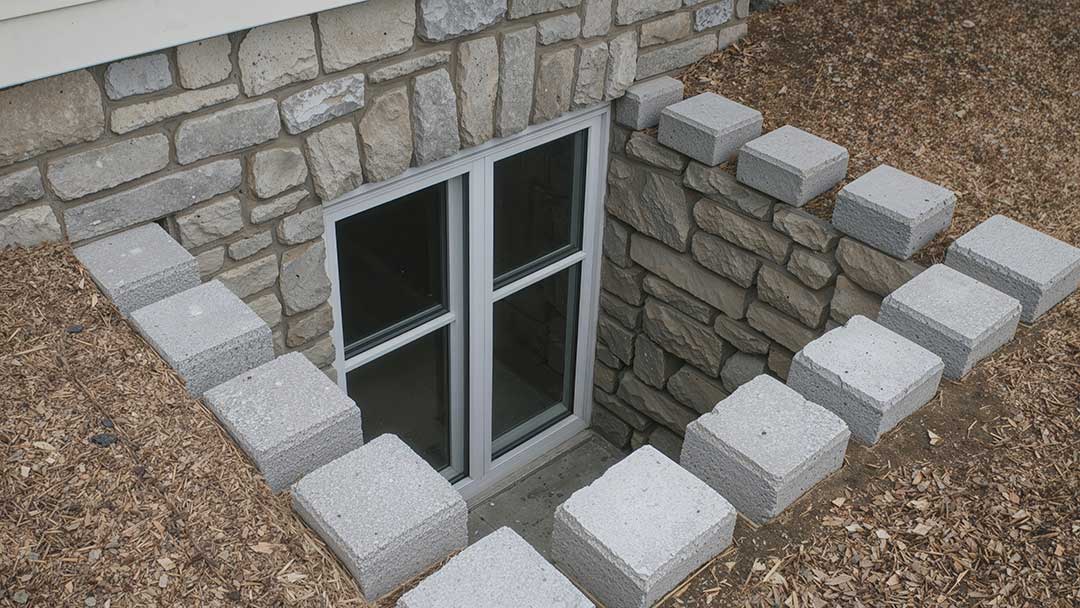
Older homes in some neighborhoods may lack perimeter drain tiles or have less effective sump pumps. Some local residents notice flooding with snowmelt in March and April, while others experience issues during summer thunderstorm clusters. Seasonal differences mean that preparedness—such as checking sump pump operation and keeping gutters clear—can make a big difference.
If you’re in a low-lying area or have experienced multiple floods, connecting with the Department of Public Services to inquire about flood maps or local infrastructure projects may clarify long-term risks.
What Should You Save, Replace, or Discard After a Flood?
Sorting through water-damaged items can be challenging. As a general rule:
- Hard goods (plastic bins, metal tools) can often be sanitized and saved if not exposed to sewage
- Paper, electronics, and soft toys should be discarded if saturated
- Important documents may be dried if only damp, but those submerged in dirty water are typically unsalvageable
If you must dispose of large quantities of drywall, carpet, or furniture, check local guidelines from the city for bulk waste or hazardous material disposal, especially if mold growth is present.
How Can Local Residents Reduce Future Basement Flood Risk?
While it’s not possible to eliminate all basement moisture issues, preventive steps help limit water intrusion:
- Ensure gutters and downspouts are directing water away from the foundation, with extensions if needed
- Slope the ground around your home so that it falls away from the walls
- Periodically test sump pumps, especially before wet seasons
- Seal minor foundation cracks with appropriate products and monitor for widening
- Check window wells for proper drainage and clear debris regularly
Small tasks—like monitoring weather forecasts and maintaining household drainage features—are often overlooked but go a long way toward keeping basements dry throughout the year.