

 See My Latest Article on HelloNation
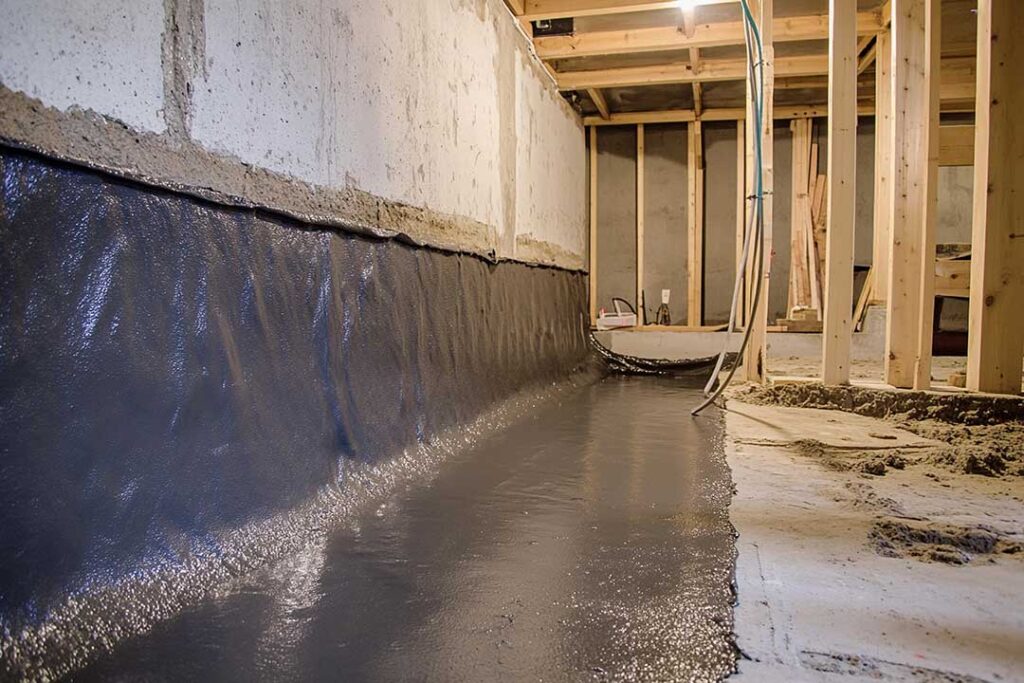
What Causes Cracks in Foundation Walls in Kalamazoo, MI?
Cracks in basement and foundation walls happen for a variety of reasons common to the local area. The freeze-thaw cycles experienced throughout the winter and early spring can make concrete shrink and expand repeatedly. Over time, this natural movement causes small cracks to form, especially in older homes. Soil conditions in Kalamazoo play a role as well—clay-heavy soils are typical, and they expand when wet and contract when dry, putting pressure on basement walls.
Sometimes, poor drainage around the home, such as overflowing gutters or gardens built near the foundation, can add to this soil pressure and lead to cracking. Other contributing factors include settling after initial construction, tree roots nearby, and even minor seismic activity.
How Do Foundation Wall Cracks Allow Water to Enter?
Even hairline cracks in a basement wall can become a pathway for water. When water saturates the soil around your home—after heavy rain, rapid snowmelt, or a high water table—the pressure pushes moisture into any available gap. Cracks, even those less than a millimeter wide, create weak points in the wall, making it much easier for water to seep inside.
In Kalamazoo, most basements are below ground level, which means water naturally moves toward these lower spaces. Once it finds a crack, it can wick through by capillary action or leak in during periods of high hydrostatic pressure. The issue typically isn't a persistent flow, but consistent dampness, trickles, or puddling that seem to appear after each wet period.
What Water Problems Might Residents Notice?
When water comes through a foundation crack, the signs can range from mild to severe. For many area households, these are the most noticeable issues:
- Damp spots or white, powdery mineral deposits called efflorescence on walls
- Small puddles or moisture on the floor, often in the same area repeatedly
- A musty odor, particularly during wet seasons
- Mold spotting along wall bases or in corners
- Paint or wall covering bubbling or peeling
- Occasional standing water during snowmelt or after storms
Repeated moisture not only damages stored belongings but can also contribute to much bigger problems such as wood rot, foundation settling, and indoor air quality issues.
Why Are Cracks a Bigger Concern in Kalamazoo’s Climate?
The local climate pattern of frequent rain in spring and periods of snow followed by rapid melt means foundation walls are exposed to dramatic and repeated changes in moisture around the home. This adds stress to existing cracks and widens them over time, leading to a cycle where each season potentially makes small water problems worse.
Because many homes in Kalamazoo were built decades ago with masonry or poured concrete, age can contribute to compromised waterproofing. Continuous or hidden leaks are often mistaken for high humidity or normal basement dampness, especially in unfinished spaces.
Are All Foundation Wall Cracks a Serious Water Threat?
Not every crack lets water enter immediately or at the same rate. Some common misconceptions include:
- Hairline cracks usually seem harmless, but they can still seep moisture due to pressure from saturated soil.
- Horizontal cracks or those wider than a quarter inch may indicate significant structural movement and higher risk for leakage.
- Vertical and diagonal cracks are the most common and may take in water during heavy rains but not all the time.
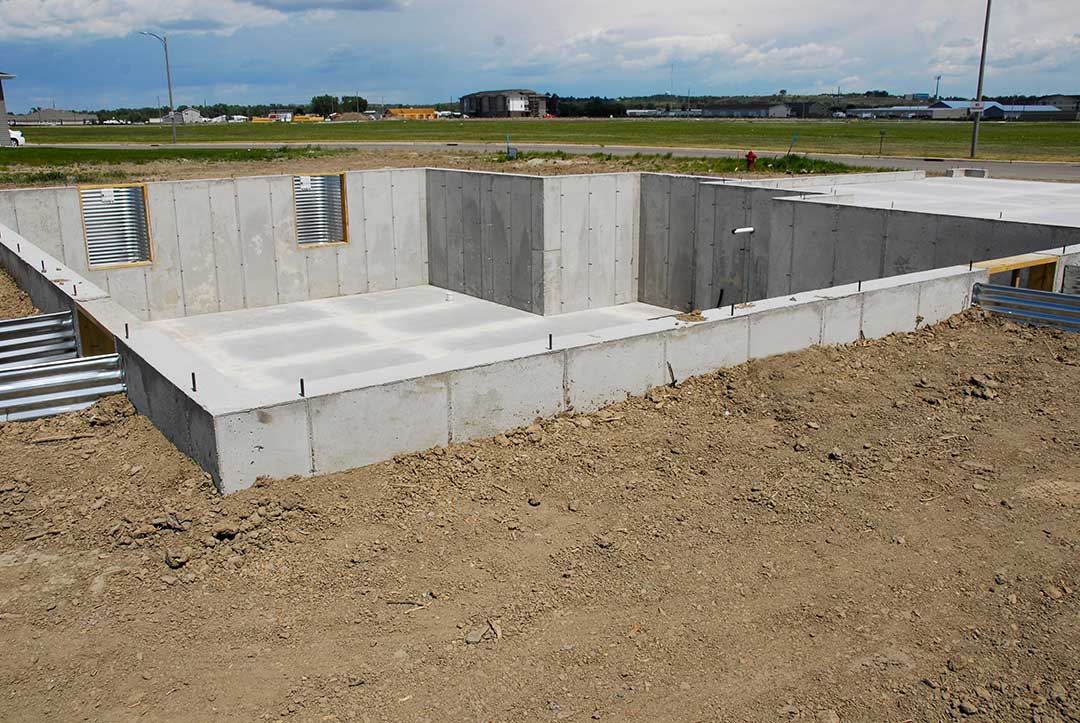
Overlooking minor cracks can lead to bigger issues over several seasons. Regardless of size, if water tracks, stains, or dampness are visible, it’s a sign the crack is active.
Can Water Issues From Cracks Be Prevented?
Many water issues caused by cracks are preventable with attention to both the foundation and the surrounding property. For residents, here are practical steps:
- Monitor for changes: Note any new or widening cracks, especially after storms or freeze-thaw events.
- Maintain good drainage: Clean gutters regularly and direct downspouts away from the foundation.
- Grade soil: Ensure the landscape slopes away from the home to avoid water pooling near basement walls.
- Avoid overwatering: Be mindful of gardens and yard irrigation close to the foundation.
Promptly addressing small cracks when discovered, and prioritizing exterior water management, significantly limits the risk of water intrusion in local basements.
What Are Common Mistakes or Myths About Foundation Cracks and Water?
Some homeowners believe that minor cracks are simply cosmetic or just a normal part of settling. However, regular water leakage points to a problem that will likely get worse. Misapplying waterproof coatings or using temporary sealants (such as caulk or paint) may mask symptoms without solving the underlying pressure from outside moisture.
Another common misconception is that all basement water comes from obvious flooding. In reality, repeated minor seepage through cracks will often do more damage over time than a rare big leak.
By understanding how and why cracks allow moisture to enter, local residents can make more informed decisions about how to safeguard their homes—rather than just react to each episode of water.