

 See My Latest Article on HelloNation
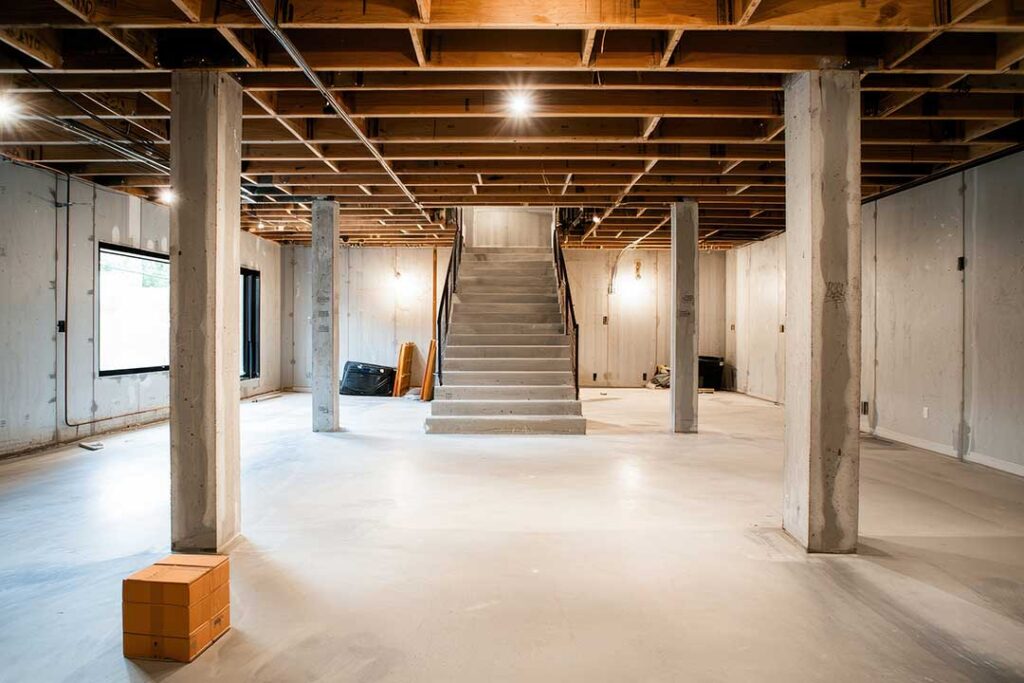
Basement leaks are often blamed on a single heavy rainstorm, but water problems usually involve several factors: soil conditions, drainage, foundation design, aging materials, and seasonal changes. Understanding the difference between a temporary nuisance and a developing moisture problem can help area households respond appropriately.
Does a basement leak only happen during heavy rain?
No. A basement can leak during light rain, snowmelt, or even dry weather if groundwater pressure, plumbing problems, or drainage defects are involved.
Heavy storms make leaks easier to notice because they deliver more water in a short period. However, a slow seep may appear after several days of ordinary rainfall, when the soil around the foundation gradually becomes saturated. In colder months, melting snow can move toward foundation walls and floor joints. A plumbing leak may occur regardless of weather.
The timing of the water provides useful clues:
- Water appearing at a wall-floor joint may be related to groundwater pressure or seepage below the slab.
- Water near a ceiling, window, or pipe may originate above the foundation.
- A sudden pool of water may point to a plumbing failure, failed drainage component, or blocked discharge route.
- Dampness that returns after nearly every rainfall suggests an ongoing moisture pathway rather than a one-time event.
Is a small basement leak harmless?
A small leak is not always an emergency, but it should not automatically be considered harmless. Repeated moisture can damage stored belongings, flooring, wood framing, insulation, and finished wall materials. Persistent dampness can also create conditions favorable to mold growth and musty odors.
The size of the visible leak does not necessarily show the seriousness of the underlying issue. Water may be traveling behind a wall, beneath flooring, or through porous masonry before becoming visible. A narrow crack that produces only a few drops today may allow substantially more water during a saturated-soil event.
The practical question is not only “How much water is present?” but also:
- How often does it happen?
- Is the affected area expanding?
- Are cracks changing in width or appearance?
- Is there staining, efflorescence, peeling paint, or a persistent odor?
- Does the water reach electrical equipment, appliances, or finished living areas?
Documenting the location and timing with photographs can help identify patterns.
Do foundation cracks always mean the foundation is failing?
No. Many foundation cracks are nonstructural, especially narrow vertical cracks caused by normal concrete shrinkage as a new wall cures. Some older masonry walls also develop minor cracking from seasonal movement or changes in moisture levels.
That does not mean every crack should be ignored. Cracks deserve closer attention when they are widening, offset, horizontal, stair-step shaped, or associated with bowing walls, sticking doors, uneven floors, or recurring water entry.
A crack can be structurally minor but still provide a direct path for water. Conversely, a crack may look concerning while remaining dry and stable. The pattern, location, movement, and surrounding symptoms matter more than appearance alone.
Basement walls constructed from poured concrete, concrete block, brick, or stone can show different types of cracking. Identifying the wall material is useful because water often moves differently through joints, mortar, hollow block cores, and solid concrete.
Does waterproof paint permanently stop basement leaks?
Usually not. Waterproof coatings may reduce minor dampness on some masonry surfaces, but they generally do not solve water pressure outside the foundation, leaking wall-floor joints, active cracks, or inadequate drainage.
Paint and cementitious coatings are applied from the interior, while many basement water problems originate outside the wall. If groundwater is pressing against the foundation, the coating may blister, peel, or allow water to emerge at another location. Trapped moisture can also worsen damage to finishes.
Surface coatings can have limited value in specific situations, such as reducing vapor transmission on a suitable, clean masonry surface. They should not be treated as a substitute for diagnosing the source of recurring water.
Is water coming through the basement floor always caused by a high water table?
No. Water beneath or through a basement floor may come from several sources, including hydrostatic pressure, poor drainage beneath the slab, a failed sump system, plumbing leakage, or water entering at a floor drain.
During wet periods, saturated soil can press upward against the concrete slab. This is known as hydrostatic pressure. Older basements may be more vulnerable if the original drainage design is limited, altered, or no longer functioning as intended.
Water near a floor drain deserves special attention. The drain may be blocked, the trap may be damaged, or the connected piping may be allowing water to back up. A sewer-related problem has different health and cleanup concerns from clear groundwater seepage.
Does a sump pump prevent every basement leak?
No. A sump pump can remove water collected in a sump basin, but it cannot correct every path by which water enters a basement.
A pump may fail because of a power outage, a stuck switch, a blocked discharge line, an overwhelmed basin, or mechanical wear. Even a working pump may not address water entering through wall cracks, window wells, plumbing lines, or an improperly sloped surface.
A useful maintenance routine includes checking that:
- The pump turns on and off properly.
- The float or switch moves freely.
- The discharge line carries water away from the foundation.
- The outlet and backup power arrangement are appropriate for the household.
- The basin is free of debris.
- The system is tested before spring snowmelt and after major storms.
The discharge route matters. Water released beside the foundation can soak back into the surrounding soil and return to the basement.
Can gutters and grading really affect basement moisture?
Yes. Roof runoff and surface water can contribute significantly to basement dampness when they are directed toward the foundation.
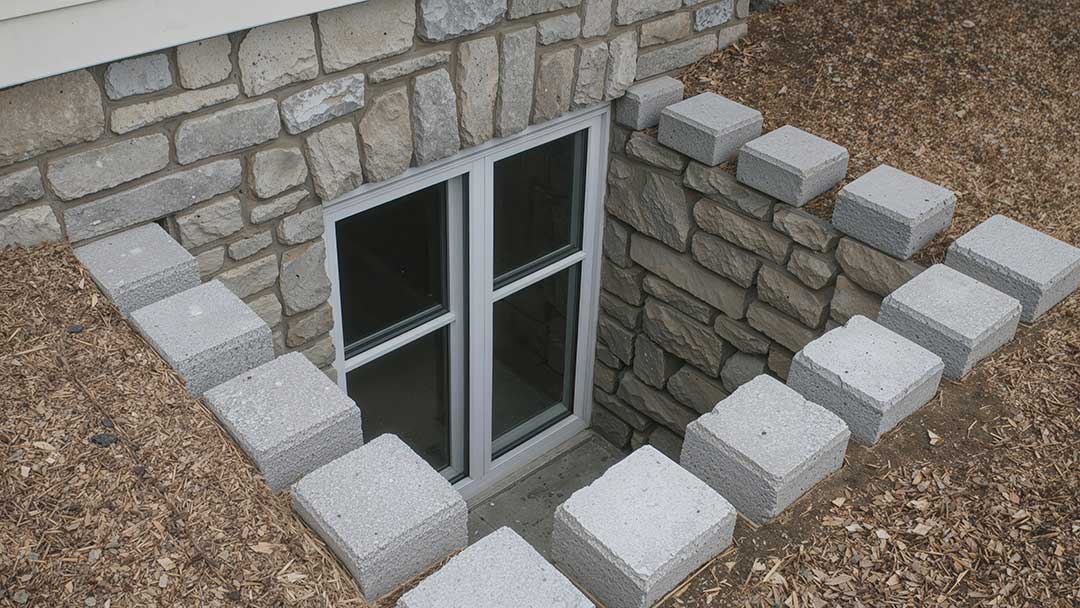
Gutters that overflow, downspouts that end too close to the wall, clogged window wells, and soil that slopes toward the house all increase the amount of water near the foundation. In a climate with freeze-thaw cycles, soil can shift and create new low areas that hold water.
Checking the exterior during rainfall often reveals problems that are difficult to see on a dry day. Look for overflowing gutters, concentrated water near corners, ponding beside walls, and downspouts that discharge into areas where water remains trapped.
Correcting surface drainage may reduce moisture, but it will not necessarily stop water caused by a leaking pipe, damaged foundation drain, or groundwater rising beneath the slab.
Does a dry summer prove the basement problem is fixed?
No. A basement may remain dry during a relatively dry season and still leak during prolonged rainfall, rapid snowmelt, or a storm that saturates the surrounding soil.
Seasonal testing can reveal patterns. A wall that stays dry in summer may show staining in spring. A sump pump that seems unnecessary for months may become essential after several wet days. Finished basements can also conceal moisture behind paneling or flooring until damage becomes visible.
For households in Kalamazoo, tracking weather conditions, pump activity, odors, staining, and damp locations across the year provides a more reliable picture than judging the basement after one dry week.
Water that reaches outlets, wiring, heating equipment, or other electrical components requires caution. Avoid standing in water near electrical systems, and use qualified help when the situation creates a shock, fire, structural, or sanitation hazard.