

 See My Latest Article on HelloNation
What’s the Main Difference Between Basement Waterproofing and Damp Proofing?
Basement waterproofing and damp proofing serve different purposes when protecting homes in Kalamazoo, MI from water problems. Waterproofing is designed to completely block water from entering your basement, even under pressure, while damp proofing helps stop soil moisture from seeping through concrete but does not withstand water under pressure or significant leaks.
For residents, the distinction often comes down to the behavior of the soil, local rainfall patterns, and the age of your home. Damp proofing is commonly found in older Kalamazoo homes and new construction, especially where minimal moisture intrusion is expected. Waterproofing is recommended where basements are prone to leaks, heavy soils, or frequent flooding.
How Does Damp Proofing Work?
Damp proofing is a basic treatment applied to exterior foundation walls to prevent ground moisture from wicking through concrete. This is usually done with a coating of asphalt-based compound or spray-on material.
In practice, damp proofing may be enough for basements where:
- Rainfall runoff is directed away from the foundation
- The yard slopes well away from the walls
- Groundwater remains low throughout the year
However, Kalamazoo’s clay-heavy soils and periodic freeze-thaw cycles can challenge basic damp proofing. Local homes built before the 1980s often rely solely on damp proofing, which might not be enough in wet seasons or during snowmelt. While it keeps out general humidity, it won’t hold back liquid water that accumulates against your basement walls.
What Does Basement Waterproofing Involve?
Waterproofing adds extra layers of protection, aiming to keep basements dry even if standing water presses against the foundation. This involves:
- Thick waterproof coatings or membranes that can stretch and resist cracking
- Drainage boards or panels covering exterior foundation walls
- Perimeter drains (often called French drains) that channel water away before it enters
- Inside sealants or vapor barriers for added moisture control (though these are secondary and never replace exterior solutions)
Some houses in Kalamazoo, especially those in lower-lying neighborhoods or areas with high clay content, benefit most from these comprehensive systems. Waterproofing is common for finished basements or homes with a history of seepage.
When Is Damp Proofing Enough for Kalamazoo Homes?
Damp proofing has its place in protecting homes, especially when groundwater levels are reliably low and local grading offers good drainage. In higher-elevation neighborhoods or where lots have gentle slopes and well-managed gutters, basic dampproof coatings may suffice.
That said, misjudging soil conditions can lead to surprises. If water pools near your foundation after heavy rains, or past owners faced basement dampness, waterproofing offers more reliable protection. Older homes might have only damp proofing from their original construction, which can degrade and become less effective over decades.
What Are the Signs Your Basement Needs More Than Damp Proofing?
If you notice any of the following, basic damp proofing may no longer be enough, and upgraded waterproofing solutions could be worth considering:
- Water stains or active moisture along the base of the basement walls
- White, powdery residue (efflorescence) indicating water movement through concrete
- Persistent musty odors or visible mold
- Puddles or leaks after snowmelt or storms
- Interior paint peeling or bubbling near the floor
These issues are common in some Kalamazoo neighborhoods after wet springs or during periods of freeze-thaw cycles, which create pressure against below-grade walls.
Common Misconceptions About Basement Sealing
Many residents assume damp proofing and waterproofing are interchangeable terms. In reality, they differ in both materials and effectiveness. Some believe that painting the inside walls will block water, but true waterproofing must address moisture before it enters, typically requiring exterior solutions.
Another misconception is that a dry basement now guarantees long-term dryness. Subtle changes—like new landscaping, broken gutters, or changing water tables—can increase the risk over time, even if a home performed well for years.
Which Method is Better for Finished Basements in Kalamazoo?
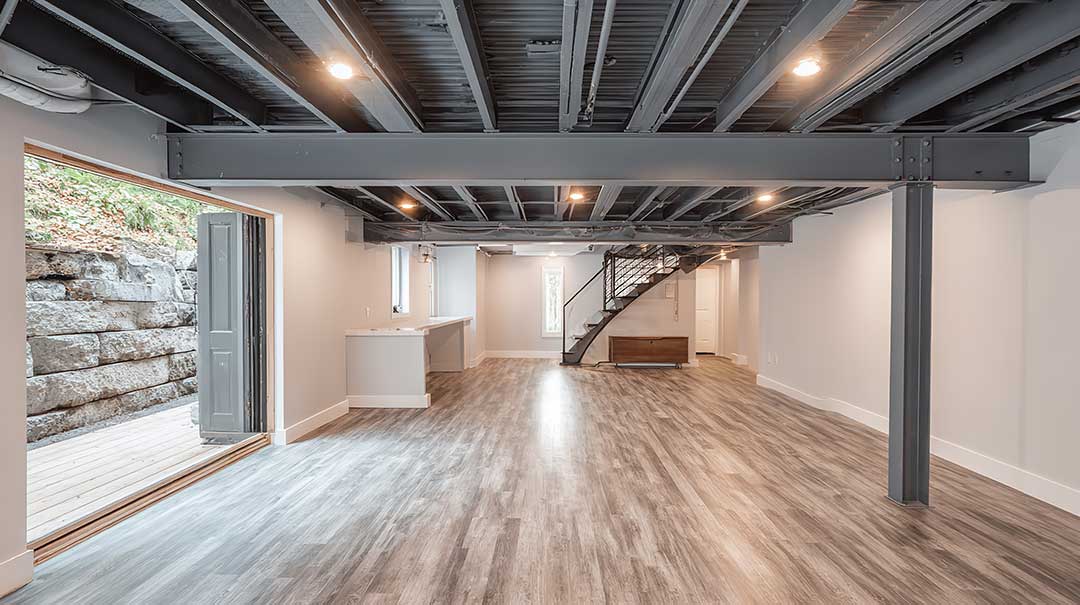
Finished basements need higher levels of water protection. Even minor moisture intrusion can damage finishes, insulation, and belongings quickly. Waterproofing is the standard recommendation for spaces intended for living, recreation, or storage of sensitive items.
If remodeling or finishing a basement, residents often discover minimal or deteriorated damp proofing during the planning stages. Installing robust waterproofing systems before finishing helps ensure long-term comfort and prevents costly repairs down the line.
How Do Local Weather and Soil Affect the Choice?
Kalamazoo’s climate brings wet springs, variable precipitation, and snowmelt events that can saturate clay-heavy soils around foundations. These conditions allow water to accumulate against basement walls, sometimes for days or weeks. Homes built on flatter lots or in older developments may see greater need for waterproofing than those on well-drained sites.
Residents benefit from routinely inspecting their basements, especially after significant storms, to detect early signs of moisture. Adjustments to the landscape, such as extending downspouts or regrading, may also support either approach.
What Should Homeowners Consider When Updating Basement Protection?
Before opting for an upgrade or repair, local homeowners should:
- Observe how water flows around their house during heavy rain
- Inspect for cracks, discoloration, or dampness along basement walls and floors
- Check the age and condition of any existing exterior coatings
For safety reasons, situations involving substantial water entry, bowing walls, or evidence of structural movement warrant prompt expert assessment, as these can indicate broader foundation issues.