

 See My Latest Article on HelloNation
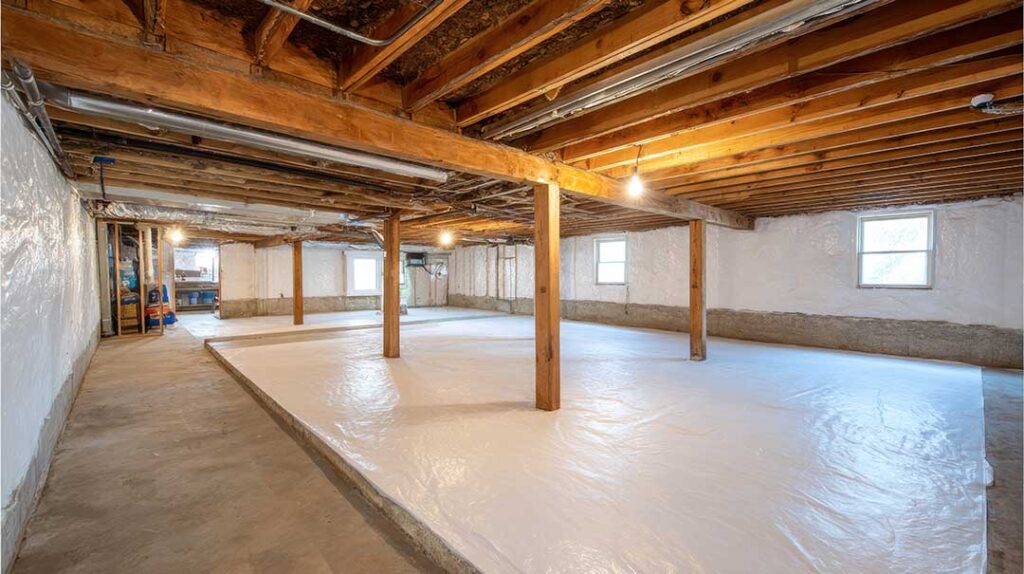
Why Does Basement Moisture Matter in Kalamazoo, MI Homes?
Basement moisture is a widespread concern for many households, especially in areas like Kalamazoo, MI, where the mix of humid summers, heavy spring rains, and freezing winters can stress foundations. Allowing moisture to persist in a basement is more than just a cosmetic issue; it can affect comfort, health, and the long-term value of your property.
While some people may think of a slightly damp basement as normal, it’s important to recognize that even minor water infiltration or consistent humidity can create bigger problems for both the home and its occupants.
What Health Risks Are Associated With Damp Basements?
Damp basements can create an environment where mold and mildew flourish. For many families, this means more than just a musty smell.
Mold spores and mildew can:
- Worsen allergies and asthma, causing sneezing, coughing, or headaches
- Affect respiratory health, especially in children or older adults
- Increase the potential for dust mites and pests attracted to dampness
Local households should also remember that because basements are often connected to the home’s ventilation, problems here can impact air quality throughout the living space—even if people don’t spend much time downstairs. Ensuring this level of the house stays dry is a direct investment in a healthier life indoors.
Can Moisture Cause Structural Problems?
Yes. One of the less visible—yet significant—threats posed by chronic basement moisture is damage to the home’s structure. Water can slowly erode or crack concrete foundations, rust metal supports, and rot wooden beams or joists.
Over time, the following issues may develop:
- Bowing or buckling walls from soil pressure outside the foundation
- Sagging floors due to weakened support
- Foundation settlement or lateral movement
The freeze-thaw cycles common in Kalamazoo can make this risk greater by expanding cracks each winter, allowing more water in the next rainy season. Even small leaks can contribute to gradual, expensive damage.
How Can a Dry Basement Protect Belongings and Home Value?
Many local residents use their basements for storage, laundry, or as additional living space. Dampness or flooding puts household goods at risk of mold, rust, and rot—reducing usefulness and requiring costly replacements.
Maintaining dry conditions helps:
- Preserve cardboard boxes, holiday items, books, or heirlooms commonly stored in basements
- Protect finished spaces such as a home office, guest room, or playroom
- Add usable square footage, which is a factor in property value assessments
If the house is ever put on the market, visible water issues or a musty odor can lower sale price or deter buyers.
What Role Does Kalamazoo’s Weather Play in Basement Moisture?
The area’s climate creates several unique basement moisture challenges:
- Spring and summer thunderstorms can quickly oversaturate soil, sending water through foundation cracks
- Sudden thaws in winter may result in water pooling near the home
- High seasonal humidity can linger indoors, raising condensation risk even without obvious leaks
Houses in older neighborhoods may also have aging drainage systems or lack outdoor grading improvements, making regular moisture checks even more important.
Is It True That Basements Naturally Stay Damp?
While some older homes in Kalamazoo were built with less-advanced waterproofing, persistent dampness or visible water intrusion should never be considered normal. A basement can (and should) remain noticeably dry throughout the year.
Misconceptions arise from accepting problems—like small puddles after rain or the constant use of a dehumidifier—as facts of life. Consistent moisture is a sign that foundational or landscape issues might need attention. Even unfinished basements benefit from basic prevention strategies like improving drainage around the house or redirecting downspouts.
How Does Moisture Affect Heating and Cooling Costs?

Wet basements aren’t just uncomfortable—they can also make the rest of the house harder to heat and cool efficiently.
Here’s why:
- Moisture in basement air can travel upward, forcing HVAC systems to work harder
- High humidity increases energy demands, especially in the summer when air conditioning is running
A dry basement acts like insulation, helping stabilize indoor temperatures and reduce overall utility bills.
Which Routine Habits Help Maintain Dry Basements in Kalamazoo?
Simple steps go a long way in many households:
- Clearing leaves and debris from gutters and downspouts
- Making sure soil slopes away from foundation walls
- Checking for plumbing leaks or dripping pipes in utility areas
- Using a hygrometer (humidity gauge) to spot rising moisture
These approaches, combined with periodic visual checks—especially after heavy rain or snowmelt—help area homeowners catch potential issues early.
Are There City or Regional Considerations with Basement Moisture?
Some homes in the city are located near creeks or on low-lying lots that experience frequent groundwater changes. Additionally, local building codes may have updated guidelines for sump pumps or foundation drainage. During home renovation or repair, residents benefit from being aware of these considerations and monitoring any changes in neighborhood water management infrastructure.
Seasonal patterns, like wet springs or freeze-thaw cycles, may also guide the timing of personal maintenance routines.
What Happens If Problems Are Ignored?
Ongoing basement wetness tends to worsen over time, not self-correct. Ignoring symptoms can lead to:
- More severe water entry with each rainy season
- Costlier repairs if foundation or structural elements become compromised
- Larger health risks from expanding mold growth
While emergencies—like extensive flooding, standing sewage, or major structural shifting—require professional intervention, most households can prevent these by maintaining awareness and acting early on small problems.